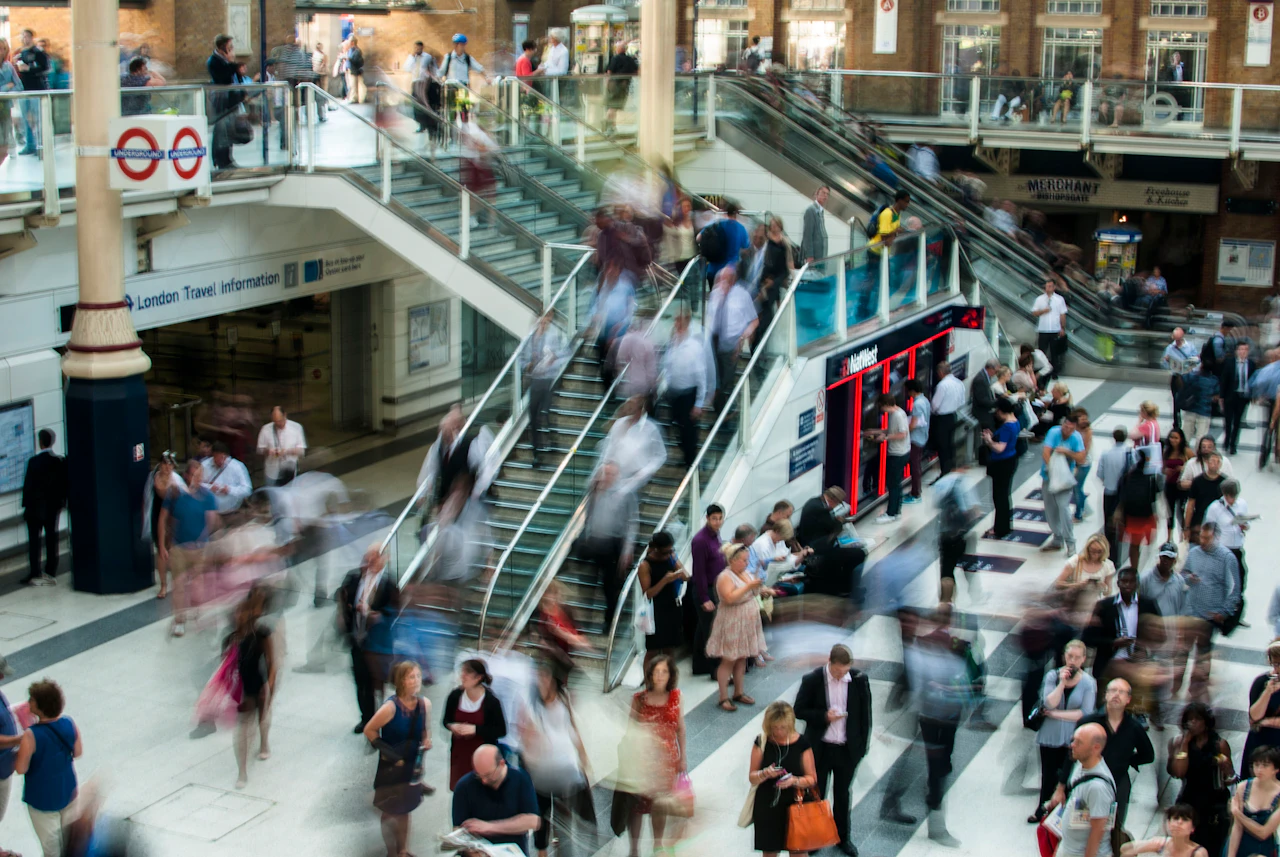
For busy workers, commuters, and anyone living that constantly-moving urban social life, the hardest part of attending a one-off cultural event is rarely the ticket price. It is the calendar squeeze: a packed shift, a long train ride, a delayed bus, childcare, fatigue, and the low-grade stress of wondering whether you will arrive late, look out of place, or miss the moment that makes the whole thing meaningful. That tension is exactly why events like a modern Passover gathering — sometimes dubbed a “hip seder” in media coverage — matter so much. They show how community celebrations can become welcoming crossroads for faith, food, politics, art, and conversation, but only if people approach them with respect, curiosity, and good timing.
This guide is for the person who wants to participate, not just spectate. If you are balancing work-life balance with a desire to show up for tradition-meets-trend gatherings, live community conversations, or a Passover dinner that mixes ceremony with culture, you need a plan that is both practical and considerate. You also need a framework for event etiquette, because inclusive participation is not only about being invited in; it is about entering in a way that helps everyone else feel welcome too. In a world where schedules fragment attention, the people who get the most from these moments are the ones who plan like commuters and behave like thoughtful guests.
One useful way to think about these events is through the same lens people use when preparing for travel, limited-time offers, or last-minute bookings. You are making decisions with constrained time, incomplete information, and the need to avoid regret. That is why habits from last-minute event planning, budget-aware booking, and even rebooking around disruptions can be surprisingly helpful when the cultural “destination” is a neighborhood seder, street festival, or interfaith panel. The goal is not to treat culture like a discount hunt; it is to reduce friction so you can arrive present, prepared, and respectful.
Why commuter culture needs a new etiquette for community celebrations
Time-poor does not mean inattentive
Commuters often get labeled as distracted, rushed, or transactional, but that stereotype misses a major reality: people with limited time can be some of the most intentional attendees. When you have only a narrow window between work and the last train home, you tend to plan carefully, show up ready, and value the event more deeply. The challenge is that many cultural spaces still assume guests have leisure-time flexibility, which means the schedule, entry process, and social cues may not be designed for people who are arriving straight from a shift. A truly inclusive event recognizes that punctuality, clarity, and a warm orientation are not “nice extras”; they are accessibility features.
That is especially true for interfaith events and neighborhood gatherings where the guest list may include regulars, newcomers, religious observers, journalists, elected officials, artists, and people who are simply curious. These rooms can be dynamic, but they can also be fragile if attendees act like they are in a theater rather than a shared civic space. In the recent New York coverage of a Passover celebration attended by Mayor Zohran Mamdani, the mix of celebration, heckling, and a last-minute comedy cancellation underscored a key point: one-off events can become emotionally charged quickly, and the social temperature is often part of the experience. If you want to participate well, you need both cultural literacy and situational awareness.
There is also a bigger urban lesson here. Community celebrations are part of the glue that makes a city feel livable, and people who regularly miss them because of work constraints can feel disconnected from the very neighborhoods they help sustain. That is why organizers, venues, and attendees alike should think about commuter accessibility as part of live activation design. Clear timing, easy transit access, and simple expectations help convert “I would love to go” into “I actually went.”
Inclusive participation starts before you walk in the door
Respectful attendance begins long before the first toast or prayer. It starts when you read the invitation carefully, check whether the event is religious, cultural, political, or a blend of all three, and understand whether guests are expected to participate, observe, or simply listen. If the event is a Passover seder, for example, the evening may include ritual readings, symbolic foods, questions, and communal storytelling. You do not need to be an expert, but you do need to know that the event is not just a dinner party with better lighting. Treat it as a living tradition, not a backdrop for networking.
Practical preparation matters too. If your schedule is tight, decide in advance how long you can stay, how you will get there, and what your exit plan is if transit runs late. That same disciplined approach appears in guides about optimizing travel routes and booking directly for smoother travel: the less decision-making you leave for the last minute, the more energy you preserve for the experience itself. If you know you will arrive after the formal start, message the host in advance rather than slipping in silently. A short, gracious note can reduce awkwardness and show that you respect the rhythm of the gathering.
Finally, remember that community celebrations often carry emotional histories. A seder may be joyous, but it can also hold memory, grief, migration, resistance, and intergenerational meaning. In the same way that a well-built live series depends on context and continuity, not just surface-level charm, a meaningful cultural event relies on participants who understand the layers beneath the performance. If you only have an hour, approach that hour with humility. You may be a guest for a short time, but you are stepping into something much older than your schedule.
How to prepare for a one-off cultural event when your day is already full
Use a commuter-friendly planning system
Busy people need systems, not inspirational speeches. The best prep strategy is to break the event into three chunks: logistics, etiquette, and energy. Logistics includes location, transit timing, dress code, ticketing, accessibility, and whether food is served. Etiquette includes whether you should bring a gift, whether cameras are allowed, and how formal participation should be. Energy includes how tired you will be, whether you will be able to stay engaged, and what you need to do beforehand so you can be mentally present rather than just physically present.
This is where a “commuter checklist” helps. A person using commuter efficiency thinking or budget transit alternatives already understands route planning, buffer time, and contingency management. Apply the same mindset here. Pack light, arrive with a fully charged phone, save the address offline, and identify the nearest train or rideshare pickup point before you go in. If the event is in a new neighborhood, take five minutes to read local transit notes the way you would before a day trip; details such as late-night service, parking limits, and walkable exits can change whether the evening feels easy or exhausting.
It also helps to think in “micro-commitments.” You do not need to attend every element of a three-hour program to have a meaningful experience. You may stay for opening remarks, the key ritual, and one conversation before heading out. That is still participation. Busy people often sabotage themselves by assuming the only valid attendance is full attendance, but community life is built on partial appearances too. What matters is sincerity and follow-through.
Dress for respect, comfort, and transit reality
For commuters, clothes need to survive two environments: the street and the event. A dinner jacket or dressy blouse may look great at the table but feel punishing on a packed platform, while a purely practical outfit can make you feel underdressed in a formal room. The solution is “transit-smart respect”: choose pieces that travel well, layer cleanly, and signal that you took the event seriously without overperforming. For style inspiration that balances mobility and polish, see street style inspiration and comfort-meets-style wardrobe choices.
In many cultural settings, modesty and context matter more than trendiness. If the event is religious, avoid anything overly flashy, overly revealing, or heavily logoed if you are unsure of the room’s norms. If the event is artist-forward or youth-oriented, you can be a little more expressive, but you should still avoid dressing as though you are the main character. When in doubt, ask the host what the room usually looks like. That simple question shows awareness, and it can save you from feeling under- or over-dressed the entire night.
Think of clothing as part of your event etiquette toolkit. Just as symbolism in clothing can signal identity and respect in small groups, your outfit can quietly communicate that you understand the setting. A commuter who is clean, comfortable, and context-aware is usually more welcome than someone who is fashion-forward but socially oblivious.
Eat, hydrate, and pace your day before the event
If you are arriving straight from work, do not assume the event food will arrive on time or that there will be enough for you to start from zero. Eat something balanced beforehand, drink water, and keep a snack handy if the evening may run long. This sounds mundane, but low blood sugar is one of the fastest ways to become irritable, inattentive, or overly self-focused in a social setting. For a deeper practical comparison of how small choices shape comfort, see budget-friendly nutrition planning and value-bundle thinking.
Energy management is also part of cultural respect. If you know you will be tired, avoid overcommitting to afterparties, long debates, or multiple venues in the same night. One high-quality appearance is better than three half-present ones. The same logic appears in smart comfort planning: the environment you create around yourself determines whether the experience leaves you restored or depleted. A thoughtful commuter attends with enough fuel to listen, respond, and remember.
Pro Tip: If you can, build a 30-minute decompression buffer between work and the event. Even a short walk, a snack, or a quiet train ride can reset your mood and improve how you show up in the room.
Event etiquette that helps everyone feel welcome
Know when to ask questions and when to observe
One of the biggest mistakes newcomers make at cultural and interfaith events is assuming they must either stay silent the whole time or dive in as if they were a host. Good etiquette sits in the middle. Ask clarifying questions if the invitation suggests openness, but do not interrupt formal moments, override ritual leaders, or turn the experience into a cross-examination of the tradition. If you are unsure whether a question belongs in the moment, wait until a break or ask privately afterward. Curiosity is valuable; timing is everything.
That principle is especially important at events with ritual structure, like a Passover seder, where the storytelling itself is part of the design. You may be tempted to compare the event to a dinner party or a civic reception, but that would flatten its meaning. A better frame is to treat it like a performance with audience participation: there are moments for engagement, moments for silence, and moments when the room is being held together by a script older than any one attendee. If you want to understand how live events shape communal behavior, the logic is similar to what you see in live activations and community storytelling.
If you are attending as a guest of a friend, let them guide you on what is normal. They may tell you when to stand, when to read, when to wait, or whether food is symbolic rather than simply served. Your job is not to prove you “get it” immediately. Your job is to make the space easier for others, which often means listening more than speaking.
Respect the room’s political and social mix
Modern community celebrations often blend culture with public life, and that can be energizing or tense depending on the room. A mayor, organizer, artist, journalist, clergy member, and longtime neighbor may all interpret the same event differently. This is part of the reality of commuter culture in large cities: people arrive carrying work identities, neighborhood loyalties, and current-events opinions in the same bag as their transit card. The best etiquette is to avoid assuming your interpretation is the only valid one.
If the event includes public figures or topical commentary, do not turn every interaction into a stump speech. Ask yourself whether your contribution is making the room more thoughtful or simply louder. The recent media attention around the hip seder showed how quickly a celebration can become a stage for competing expectations, with some guests amused and others irritated by the presence of politics and heckling. That does not mean political discussion is off-limits; it means the room needs norms that keep disagreement humane. If you are a guest, your responsibility is to elevate the temperature only when it adds value, not when it adds spectacle.
When in doubt, default to generosity. Do not mock unfamiliar rituals, do not correct a host publicly unless asked, and do not post live reactions that embarrass people who welcomed you in good faith. If you want a model for thoughtful creative participation, look at visual storytelling lessons and how tradition can be reinvented without losing its core. The best guests understand that a room can be both welcoming and sacred at the same time.
Handle photos, posting, and privacy carefully
In the age of rapid posting, the temptation to document everything is strong. But community celebrations often include people who value privacy, humility, or ritual focus. Before taking photos or videos, ask whether the host has set boundaries. If you are allowed to post, think about whether the image tells the truth of the event or just turns it into personal branding content. There is a big difference between sharing a meaningful moment and appropriating someone else’s communal space for your feed.
This is where lessons from personal branding can be useful, even if you are not a creator. Branding is about intention, and intentions matter here. Ask yourself whether your sharing helps others discover a community celebration, or whether it centers your presence at the expense of the host’s purpose. If you are uncertain, wait until afterward, post a reflective caption rather than a performative one, and tag only those who have said it is okay. Thoughtful sharing helps the event live longer; careless sharing makes people feel surveilled.
How to get the most out of a short visit
Arrive with one learning goal and one social goal
When time is short, structure improves memory. Before you go, decide on one thing you want to learn and one person you want to meet or thank. Your learning goal might be understanding a ritual, tasting a dish, hearing a family story, or learning why the event matters to the host. Your social goal might be greeting the organizer, thanking the musician, or reconnecting with someone from the neighborhood. Limiting yourself to one of each prevents the evening from becoming a stressful scavenger hunt.
This is similar to how effective creators and professionals use repeatable live formats to focus attention. A strong frame helps people engage better, even in a compressed window. You do not need to work the whole room. In fact, trying to “do the most” can make you look scattered. A shorter, deeper conversation often leaves a more memorable impression than a dozen shallow hellos.
Also, pay attention to what the event is doing emotionally. Some gatherings are meant to celebrate continuity, while others are meant to build bridges between communities, and others still are meant to make room for grief or memory. If you can read that emotional register, you will leave with more than a selfie and a plate photo. You will leave with context, which is what turns an event from “something I attended” into “something I understood.”
Use the event as a bridge to neighborhood life
A one-off event should not be the end of the story. If you enjoyed the gathering, ask who organizes similar events, whether there is a mailing list, and what venues or community groups are worth following. The most rewarding urban participation is cumulative: one seder leads to one block association, which leads to one gallery open house, which leads to one recurring volunteer opportunity. That is how people move from being occasional attendees to active neighbors.
To find those pathways, it helps to think like a local researcher. Community schedules are often fragmented across ticket pages, Instagram posts, newsletters, and word of mouth, which is why people miss things. A useful approach is to combine your own notes with sources that help you track what is happening nearby, much like checking local data before hiring someone or comparing options through a cost-conscious lens. The reward is a better map of the city’s social life, one event at a time.
For commuters, the bridge between work and community is often built in tiny increments. You might not have time for a weekly club, but you may have time for one evening every season. Those one-offs still matter, especially if you return to the same neighborhood, the same synagogue, the same arts space, or the same interfaith circle over time. Consistency does not always look frequent; sometimes it looks reliably intermittent.
Leave room for the unexpected
One-off events are, by definition, unpredictable. A speaker may run late, a performer may cancel, a heckler may appear, or the room may shift from formal to emotional in a way no program can fully control. This is not a failure of the event; it is part of what makes live community life feel alive. If you arrive with a rigid expectation of flawless pacing, you may miss the human texture that makes the experience worth attending.
That said, unpredictability should never excuse poor hosting. Good organizers plan for contingencies, while good guests stay adaptable. If a segment changes, follow the host’s lead. If a ritual moves faster than expected, do not loudly announce that you are confused. If a problem arises, remember that the people holding the event are often improvising under pressure, just like the commuters trying to get there. Cultural participation works best when everyone accepts that live community is a shared performance of flexibility.
Building work-life balance around culture, not in spite of it
Make room in the calendar before the invitation arrives
Work-life balance becomes much easier when community time is treated as a legitimate calendar category instead of an afterthought. If you know your city tends to host seasonal observances, gallery nights, outdoor performances, or neighborhood dinners, block a few likely windows in advance. That is not excessive; it is realistic. The same forward planning that helps people compare volatile airfare or navigate hidden travel fees can help you preserve the time and energy needed for civic and cultural life.
For workers with irregular schedules, this is even more important. A night shift, late commute, or weekend rotation can make every invitation feel like a lottery ticket. If that is your reality, build a lightweight system: save recurring cultural periods in your phone, keep a list of venues near transit, and identify a few friends who can give you fast RSVP intel. You do not need to be available for everything to stay connected. You only need a method that makes “yes” easier than “maybe next year.”
Some people find it helpful to frame these events as part of personal sustainability. Just as you might use daily movement or outdoor comfort routines to support your physical well-being, cultural participation can support mental and social well-being. The point is not to cram your calendar full; it is to ensure that your life contains more than obligation.
Know the difference between FOMO and meaningful participation
Busy urban life creates constant fear of missing out, and event marketing often feeds it. But not every interesting event deserves your attendance, and not every missed event is a failure. Meaningful participation is the intersection of relevance, energy, and respect. If you are too exhausted to listen, too rushed to be present, or too uninformed to engage responsibly, it may be wiser to skip this time and show up for the next one better prepared.
This is where community adults can learn from the way creators and operators manage output. In four-day workweek planning, the premise is not “do less forever” but “protect the quality of what you do.” Your cultural life deserves the same logic. A few thoughtful attendances can do more for your sense of belonging than a dozen half-hearted appearances. And if a celebration is genuinely important to you, saving energy for it is a form of care, not indulgence.
That is why the healthiest version of commuter culture is not a nonstop sprint between obligations. It is a rhythm that includes work, transit, rest, and occasional bursts of community. If you get that rhythm right, you are not just attending events. You are building a life in the city that actually feels inhabited.
A practical comparison: commuter strategies for cultural events
The table below compares common attendee approaches, their strengths, and their risks. Use it to decide how you will show up when you only have a few hours to spare.
| Approach | Best For | Strengths | Risks | Best Practice |
|---|---|---|---|---|
| Arrive exactly on time | Formal rituals, speeches, seated programs | Shows respect; avoids missing key moments | Transit delays can cause stress | Leave 20–30 minutes early and plan a backup route |
| Arrive slightly late | Casual receptions, open houses | Allows workday transition and less rush | Can interrupt sacred or formal opening moments | Message the host in advance and enter quietly |
| Short attendance window | Busy workers with limited energy | Realistic and sustainable | May miss context or networking | Set one learning goal and one social goal |
| Full-event attendance | Rare days off, major celebrations | Deep immersion and stronger relationships | Can lead to fatigue and burnout | Protect pre-event rest and post-event recovery |
| Photo-first participation | Creators, advocates, social sharers | Amplifies awareness | Can feel extractive or disrespectful | Ask permission, post thoughtfully, and prioritize presence |
Notice that none of these approaches is inherently right or wrong. The right choice depends on the event’s structure, your relationship to the host community, and your real-world constraints. The best commuter strategy is the one that keeps you both respectful and sane. If you need help thinking about logistics in broader travel terms, ideas from route planning and direct booking discipline can sharpen your instincts.
FAQ: Commuter etiquette for cultural and interfaith events
How do I know whether I should attend a cultural event if I am not part of the tradition?
If the event is explicitly open to guests, attend with humility and a learner’s mindset. If it is private, family-based, or restricted to members, wait for a clear invitation rather than assuming you are welcome. When in doubt, ask the host in a respectful way and accept the answer without argument.
What should I do if I arrive late because of work or transit?
Send a brief message ahead of time if possible, then enter quietly and follow the host’s lead. Avoid making a scene, asking the group to pause, or demanding a full recap. If the event has a formal ritual, it is especially important to be discreet and patient.
Can I post photos or videos from the event?
Only if the host says it is okay. Even then, think carefully about whether your post respects the privacy and purpose of the gathering. Some events are intimate, sacred, or politically sensitive, and posting without consent can damage trust.
What if I do not understand the rituals or references?
That is normal. Watch, listen, and ask a few thoughtful questions at an appropriate time. The goal is not to become an expert immediately; it is to engage respectfully and learn enough to participate well.
How can I balance long work hours with wanting to be more involved in community life?
Choose smaller, high-value commitments and schedule them intentionally. You do not need to attend everything to belong. One or two well-chosen appearances each season can be more meaningful than trying to force a full calendar you cannot sustain.
What is the biggest etiquette mistake commuters make at inclusive events?
Assuming speed is more important than shared meaning. Rushing, interrupting, or treating the event like a pit stop can make other guests feel unseen. Slow down enough to understand the room, and you will usually do fine.
Final takeaway: showing up thoughtfully is the commuter superpower
The modern city runs on schedules, but community life runs on trust. For commuters and local workers, the challenge is not whether you care about culture; it is whether your calendar, energy, and etiquette allow your care to be felt by other people. A one-off event like a hip seder can be a beautiful entry point into neighborhood life precisely because it compresses so much meaning into a short window. But to get the most from it, you have to treat your attendance as something more than presence; you have to bring preparation, curiosity, and restraint.
If you remember only three things, make them these: plan your transit like a pro, read the room before you reshape it, and keep your participation human. Those habits will help you move through cultural dinners, tradition-forward gatherings, and the broader landscape of live community experiences without feeling frazzled or fake. In the end, the best commuter is not the one who arrives fastest. It is the one who arrives ready to honor the moment.
Related Reading
- Why Airfare Keeps Swinging So Wildly in 2026: What Deal Hunters Need to Watch - Useful if your cultural plans involve late transit, travel, or out-of-town visits.
- How to Get Better Hotel Rates by Booking Direct: What Travelers Can Learn from Hotel AI - Smart booking habits for overnight cultural weekends.
- How to Turn a Five-Question Interview Into a Repeatable Live Series - Great inspiration for compact, high-value community programming.
- Street Style Inspiration: Top Outfits from the Latest Fashion Weeks - Helpful if you want commuter-friendly outfits with a polished edge.
- How to Use Local Data to Choose the Right Repair Pro Before You Call - A practical framework for researching venues, hosts, and neighborhood logistics.


